Finding Moments of Joy, Connection, and Hope When You’re Bedridden
There have been times in my life when getting through an ordinary day felt harder than anything else I had ever done.
I couldn’t even think about accomplishing big goals or making exciting plans. I was wondering whether I'd have enough energy to get out of bed, whether my symptoms would improve, and when I'd finally be able to do the things everyone around me seemed to do without thinking twice.
When you're bedridden because of chronic illness, your world can become incredibly isolating.
You miss out on everyday experiences. You lose some of your independence. And after a while, it can become difficult to imagine what your life might look like beyond your current circumstances.
I know that feeling because I've lived it.
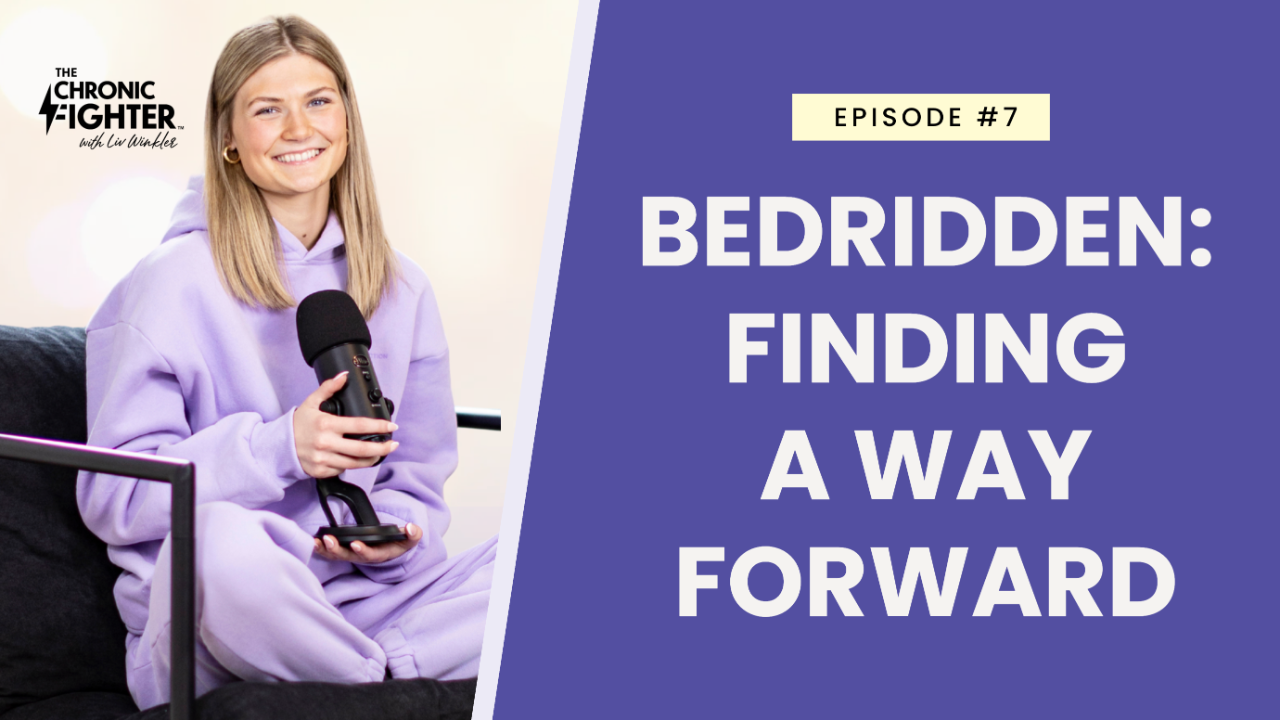
In Episode 7 of The Chronic Fighter Podcast, I'm sharing some of the things that helped me through the periods when I spent most of my time in bed. I learned ways to make difficult days a little easier, stay connected with the people I loved, and find things to look forward to again.
Looking back, it's amazing to me that some of the things I started doing just to get through those days ended up becoming such meaningful parts of my life.
When Thinking About the Future Becomes Overwhelming
One of the hardest parts of being bedridden wasn't just what I was physically experiencing. It was everything I worried about.
Would I ever be able to work?
Would I be able to live independently?
Would I go back to school, have relationships, or spend time with my friends without constantly worrying about my health?
I wanted answers because I wanted to know that my life wasn't always going to look the way it did. But I eventually realized how much energy I was spending worrying about things I couldn't possibly predict. I'd lie in bed thinking about appointments that hadn't happened yet, opportunities I might miss, and whether I would ever get back to the life I wanted.
All of this constant worrying just made my really hard days harder.
Something that helped was learning to narrow my focus. Instead of trying to figure out what the next several months or years would look like, I started concentrating on what was immediately in front of me. Maybe that meant preparing for an upcoming appointment. Maybe it meant getting through a particularly difficult afternoon. Sometimes it was just figuring out what I needed that day.
I still made plans and kept track of my responsibilities. But I didn't need to mentally work through every possible challenge before it happened.
I actually use this approach now, even though my life looks very different. When my schedule gets overwhelming, I remind myself that I don't have to accomplish everything at once. I can focus on the next thing that needs my attention. And when you're dealing with chronic illness, that shift in perspective can make a difficult situation feel a little more manageable.
Finding Joy When You Can't Do the Things You Used To
When I was spending most of my days in bed, I had to find little things that still made me happy. There were times when my migraines and sensitivity to light were so severe that I couldn't even watch television. Something as simple as putting on a show to distract myself wasn't an option. So I started listening to podcasts.
I listened to all kinds of conversations, discovered subjects I was interested in, and found myself looking forward to learning something new. Eventually, I started imagining what it might be like to have a podcast of my own. At the time, I was just looking for something I could enjoy while lying in a dark room. I had no idea that years later I'd be recording episodes of The Chronic Fighter Podcast.
There were plenty of other things that helped too. I spent time cuddling with Archie, my Goldendoodle, who always seems to find a way to make me laugh. I did my skincare, played games with my dad, listened to music, looked through old memories, and sent funny videos to my friends.
None of those activities fixed what was happening with my health. But they gave me something enjoyable to experience during days that otherwise felt pretty miserable. I think that's something worth remembering when you're dealing with chronic illness. You might not be able to participate in the activities you used to love, at least not right now. But that doesn't mean there aren't other things you can discover and enjoy.
Staying Connected When You Don't Have Much Energy
Being bedridden can make you feel disconnected from the people you love. I couldn't always go out with my friends, attend events, or participate in the things we used to do together. But I also didn't want my friendships to disappear just because I couldn't physically be there.
I started finding other ways to stay involved. Sometimes that meant FaceTiming a friend. Other times, all I could manage was sending a quick text or sharing something funny.
I also learned how important it was to spend my limited energy with people I could completely relax around. Brain fog has been a big part of my experience with chronic illness. There have been times when following a conversation, remembering what I wanted to say, or explaining how I was feeling required more energy than people probably realized.
When I was with someone I felt comfortable around, I didn't have to worry about any of that. I could lose my train of thought, be quiet, or admit that my brain wasn't cooperating. And they understood. My friend Lizzy is a great example of this. Spending time with her never felt like something that took a lot of energy. We didn’t need elaborate plans - just sitting and talking was enough.
I've also found that keeping people informed can help them understand why I might need to cancel plans or change what we're doing. Not everyone will understand what dealing with major health challenges feels like. But giving the people you trust a little insight into your experience can make it easier for them to support you.
And when so much of your life revolves around medical appointments, symptoms, and treatments, spending time with people who remind you of who you are outside of your health becomes even more important.
Learning to Work With the Energy You Have
One thing chronic illness has taught me is that having energy doesn't necessarily mean having it whenever I want. There were periods when mornings were especially difficult for me. I might not feel capable of doing much until later in the afternoon. For a while, it was pretty frustrating because I wanted to function on the same schedule as everyone else.
Eventually, I started paying closer attention to when I typically felt my best. If afternoons were easier, I could try to plan something enjoyable during that time rather than pushing myself to do it earlier.
I also became more intentional about resting before activities and giving myself time to recover afterward. That didn't mean every plan worked out. My symptoms could still be unpredictable, and there were plenty of times when I had to change or cancel something. But understanding my patterns helped me make better decisions about how I spent the energy I did have.
I think it's easy to measure ourselves against what we used to be able to accomplish. Maybe you used to work all day, exercise, spend time with friends, and still have energy left over. Now, one activity might take everything you've got. That can be so incredibly frustrating.
But I've learned that adapting your schedule to what your body can manage isn't the same as giving up on the things you want to do. Sometimes it's what allows you to participate in them at all. That’s been the case for me.
Giving Yourself Permission to Grieve
I want to be careful when talking about finding joy during chronic illness because I never want someone to think I'm suggesting they should just have a better attitude. There were times when I was devastated by what was happening to me. I missed the life I used to have. I was frustrated by the things I couldn't do. And I was scared about what my future might look like.
Sometimes I needed to cry. Or I needed to tell my parents how angry or discouraged I was. Sometimes I needed someone to listen without immediately trying to make everything better.When you're dealing with chronic illness, you're not only managing physical symptoms. You may also be grieving lost opportunities, independence, relationships, or the future you had imagined. It’s important to acknowledge this and work through it.
But I also noticed that there were times when I became so consumed by everything I was worried about that I couldn't think about anything else. I'd replay the same fears and frustrations over and over, even when there was nothing I could do about them at that moment.
That's when it helped to find something that redirected my attention. Sometimes I'd do a word search, play a game, or listen to something. Other times, I'd talk with my parents about what our next steps might be.
Therapy has also been incredibly valuable for me. Having someone outside my family and friendships helped me process what I was experiencing and gave me tools I didn't necessarily know how to develop on my own.
I still believe it's important to allow yourself to feel disappointed, angry, scared, or sad. But I've also learned to recognize when I need help getting out of a cycle of thoughts that is making an already difficult situation harder.
Remembering There's More to Life Than Your Health
When you're sick for a long time, your health can start to take over almost every part of your day. You wake up thinking about symptoms. You spend time researching treatments, attending appointments, or recovering from whatever happened the day before. And even when you're not actively doing something related to your health, it can still be on your mind.
I remember how difficult it was to stop thinking about everything I was missing. If I couldn't attend school, I'd worry about the work piling up. If I canceled plans, I'd think about what everyone else was doing without me. And if another appointment didn't give us the answers we hoped for, I'd spend time wondering what we were supposed to try next.
Sometimes I needed something that reminded me there were other things happening in the world. For me, that might have been taking a drive by the lake, getting out of my bedroom for a while, or spending time in prayer. I just needed an opportunity to think about something other than my health. Because even when chronic illness requires an enormous amount of your attention, it doesn't have to be the only thing you experience or think about.
How My Faith Helped Me Hold Onto Hope
My faith has been one of the most important parts of getting through the hardest periods of my health. There were days when I listened to worship music for hours. I'd listen to sermons, spend time praying, and remind myself of what I believed, even when I didn't understand why I was going through so much.
I didn't always feel hopeful. There were times when I was exhausted, discouraged, and frustrated that my circumstances weren't changing. But my faith gave me somewhere to turn when I felt like I had reached the limits of what I could handle on my own.
It reminded me that my life still had meaning, even during the periods when I wasn't accomplishing the things I wanted to. And it helped me keep believing that there could be more ahead for me, even when I couldn't picture what that might look like.
Faith gave me comfort and helped me find hope during some of the most difficult seasons of my life.
Finding Reasons to Keep Going
When you're struggling for a long time, it can become difficult to stay motivated. Especially when you've been doing everything you're supposed to do and still aren't seeing the improvement you hoped for.
I had to find things that reminded me why I wanted to keep working toward a better quality of life. Most of my life that meant thinking about soccer and how much I loved being an athlete. Once that season of my life was over, I would imagine the career I wanted, the relationships I hoped to have, or the experiences I wanted to share with my family. My parents were also an enormous part of helping me through those years. They were always there for me, especially on the days when I felt completely overwhelmed and didn't know what to do next.
I didn't always know how or when I'd be able to pursue the things I cared about. And as I’ve mentioned, some of my goals have changed as my health and life have changed. But having things that mattered to me helped me remember that there were still experiences I wanted to work toward. Sometimes those reasons were big, long-term hopes. Other times, they were as simple as wanting to spend time with someone I loved.
How the Little Things Became Part of a Bigger Story
One of the things that surprises me most when I look back at the times when I was bedridden is how some of the things I did just to get through the day eventually became part of the life I have now.
Listening to podcasts started because I needed something to occupy my mind when I couldn't tolerate watching television. Now I'm hosting a podcast of my own.
Sharing pieces of my health journey helped me connect with people who understood what I was experiencing. Now, through The Chronic Fighter, I get to be part of a community built around supporting people navigating chronic illness and other life-changing health challenges.
I never could have predicted those things when I was spending so much time in my bedroom. And I don't want to suggest that every difficult experience eventually turns into something wonderful, or that every person who's bedridden will experience the same kind of progress. I know how unpredictable chronic illness can be.
But looking back has helped me recognize that even during periods when I felt like nothing was happening, I was still discovering interests, building relationships, learning about myself, and finding ways to get through things I never imagined I'd have to face.
If you're in a season where your health has made your world feel incredibly limited, I hope you don't feel pressured to figure out your entire future. Maybe right now, moving forward means finding an activity you enjoy, connecting with someone who understands, making an adjustment that helps you conserve energy, or asking for support. It doesn't have to be something impressive.
You deserve opportunities to experience joy, connection, and purpose in your life, even while you're still dealing with the difficult parts of chronic illness.
Frequently Asked Questions About Being Bedridden With Chronic Illness & Other Life-Changes Health Challenges
How do you cope emotionally with being bedridden?
Being bedridden can affect your emotional health just as much as your physical health. You may feel isolated, frustrated, anxious about the future, or sad about the experiences you're missing. Giving yourself permission to acknowledge those feelings is important. It can also help to talk with someone you trust, work with a therapist, and find activities that make your days more enjoyable. You don't have to pretend you're doing well when you're struggling, and you don't have to figure out how to cope with everything on your own.
How can you find joy when you're too sick to do the things you love?
Start by thinking about what you might still be able to enjoy within your current limitations. When my migraines made watching television impossible, I discovered how much I loved listening to podcasts. Other things that helped me included spending time with Archie, talking with friends, listening to music, and doing my skincare. Your interests might be completely different. The important thing is finding something that makes part of your day more enjoyable without putting unnecessary pressure on yourself.
How do you maintain friendships when chronic illness keeps you at home?
Friendships don't always have to involve going places or spending hours together. A phone call, FaceTime conversation, or short text can help you stay connected when you don't have the energy to meet in person. It can also help to explain your limitations to friends you trust so they understand why you sometimes need to cancel or change plans. I've found that spending time with people I can completely relax around is especially valuable when I'm dealing with fatigue or brain fog.
How do you stop worrying about your future when you're dealing with intense health challenges?
It's understandable to worry about your future when your health is unpredictable. But constantly trying to answer questions about things that haven't happened yet can become overwhelming. One thing that helped me was concentrating on what I could realistically address that day. I still planned for appointments and responsibilities, but I tried not to spend all my energy anticipating every possible outcome. If those worries become difficult to manage, talking with a mental health professional can also help you develop strategies for coping with uncertainty.
How do you balance rest and activity when you have very limited energy?
Learning when you typically feel your best can help you plan activities around your body's needs. For me, afternoons were often easier than mornings, so I tried to use that time for things I wanted or needed to do. I also learned to consider how much rest I might need before and after an activity. Everyone's limitations are different, and some conditions require specific approaches to activity and pacing, so it's important to work with your healthcare team rather than pushing through symptoms. Rest is a necessary part of managing many chronic illnesses and other health challenges, not something you need to feel guilty about.
How can you stay hopeful when you've been sick for a long time and aren't getting better?
I think one of the hardest parts of chronic illness is continuing to face uncertainty when you've already been struggling for so long. What helped me was finding things I still cared about, staying connected to people who supported me, and looking for ways to make my days more manageable. My faith was also a huge source of hope. You don't have to convince yourself that everything will work out exactly the way you want it to. Sometimes hope starts with recognizing that there are still people, experiences, and possibilities worth caring about, even when you don't know what comes next.
And if this conversation resonates with you, subscribe to The Chronic Fighter for honest conversations, practical strategies, and stories about navigating chronic illness while continuing to build a life that feels meaningful to you.
Feel Free to Reach Out
Questions about the membership, the podcast, collaborations, or something else?
We would love to hear from you.
Use the form below and we’ll get back to you as soon as we can.
We hate SPAM. We will never sell your information, for any reason.
