How to Live a Full Life with Chronic Illness (Even When You're Still Searching for Answers)
Living with chronic illness can feel like pressing pause on your entire life.
Maybe you've told yourself:
"I'll travel once I feel better."
"I'll apply for that job after I get a diagnosis."
"I'll start dating when my symptoms improve."
"I'll finally enjoy life once my body works the way it's supposed to."
If you've ever caught yourself waiting for "someday," you're not alone.
For many people living with chronic illness or invisible illness, life becomes centered around appointments, medications, flare-ups, and unanswered questions. While completely understandable, this way of living can quietly steal years from your life.
The truth is this:
Learning to build a meaningful life while supporting your body is one of the most powerful mindset shifts you can make.
In this article, we'll explore:
-
Why chronic illness can make life feel like it's on hold
-
The hidden mindset that keeps many people stuck
-
Three powerful mindset shifts for moving forward
-
Practical ways to support yourself while living with chronic illness
Why Chronic Illness Can Make You Feel Like Your Life Is on Hold
Unlike an injury with a clear recovery timeline, chronic illness often comes with uncertainty.
You may not know:
-
When symptoms will flare
-
Whether treatments will work
-
How much energy you'll have tomorrow
-
When—or if—you'll receive a diagnosis
That uncertainty can slowly shape how you think about your future.
Instead of planning your life, you begin planning around your illness.
Many people stop making long-term goals because they're afraid their body won't cooperate.
Others avoid relationships, travel, career opportunities, or hobbies because they don't feel "healthy enough."
Over time, chronic illness doesn't just affect the body.
It begins influencing your identity, confidence, and hope.
Recognizing this pattern is the first step toward changing it.
The Hidden Mindset That Keeps Many People Stuck
One of the biggest traps people with chronic illness fall into is something psychologists often call destination addiction.
It's the belief that happiness only exists once you reach a future milestone.
It sounds like this:
-
"Life will start after my diagnosis."
-
"I'll be happy once my symptoms disappear."
-
"Everything will get better when doctors finally figure this out."
While it's natural to hope for healing, tying your happiness entirely to a future outcome means your present life is constantly postponed.
Waiting for perfect circumstances can become exhausting.
Healing is important.
Finding answers matters.
But neither has to be a prerequisite for living.
What Does It Really Mean to Live Well with Chronic Illness?
Living well doesn't mean pretending your symptoms don't exist.
It doesn't mean pushing through pain.
And it certainly doesn't mean ignoring medical advice.
Instead, living well means learning to work with your body rather than constantly fighting against it.
For some people that may look like:
-
Scheduling rest before exhaustion hits
-
Changing career paths
-
Setting healthier boundaries
-
Asking for accommodations
-
Celebrating progress that isn't visible to anyone else
Success with chronic illness often looks different than success without it.
And that's okay.
Three Mindset Shifts That Can Change Your Chronic Illness Journey
1. Stop Waiting for Perfect Health Before Living
It's easy to believe life begins after healing.
But life is happening today.
Even if your plans need to look different, meaningful experiences are still available now.
Instead of asking:
What can't I do?
Try asking:
What is possible today?
That small shift opens far more doors than you might expect.
2. Build Self-Trust Alongside Medical Care
Finding answers through healthcare professionals is incredibly important.
But waiting for certainty before trusting yourself can leave you feeling powerless.
Living with chronic illness often means becoming the expert on your own body.
Try to:
-
Notice patterns
-
Advocate for yourself
-
Learn what supports your energy
-
Pay attention to what helps you recover after a flare
Self-trust doesn't replace medical care.
It complements it.
3. Redefine What It Means to Be Strong
Many people believe strength means pushing harder.
In reality, strength often looks like adaptation.
Some of the strongest people are those who:
-
Cancel plans before reaching burnout
-
Ask for help without guilt
-
Prioritize sleep
-
Respect their body's limits
-
Choose consistency instead of overexertion
Working with your body isn't weakness.
It's how you move forward.
Practical Ways to Support Yourself While Living with Chronic Illness
While every condition is different, many people benefit from building supportive daily habits that reduce unnecessary stress on the body.
Prioritize Nervous System Regulation
Simple practices like:
-
Slow breathing
-
Mindfulness
-
Prayer
-
Gentle movement
-
Spending time outdoors
can help signal safety to your nervous system.
Pace Your Energy
Instead of waiting until you're completely exhausted, build recovery into your day.
Many people call this pacing, and it can help reduce the boom-and-bust cycle that often accompanies chronic illness.
Focus on What You Can Control
You may not control every symptom.
You can often influence:
-
Sleep habits
-
Nutrition
-
Stress management
-
Daily routines
-
Your support system
Small, consistent actions often create meaningful change over time.
Celebrate Progress Differently
Healing isn't always measured by symptom reduction.
Sometimes progress means:
-
Needing fewer recovery days
-
Advocating for yourself
-
Attending an event you once avoided
-
Setting healthy boundaries
-
Finding moments of joy despite uncertainty
These wins matter.
You Are More Than Your Diagnosis
Whether you've lived with chronic illness for six months or twenty years, it's easy for your identity to become wrapped up in your symptoms.
But your diagnosis—or the absence of one—is only one chapter of your story.
You are still capable of:
-
Building meaningful relationships
-
Pursuing purpose
-
Learning new skills
-
Laughing
-
Dreaming
-
Growing
Your life isn't defined by what your body struggles to do.
It's also shaped by the courage you show every day in continuing to move forward.
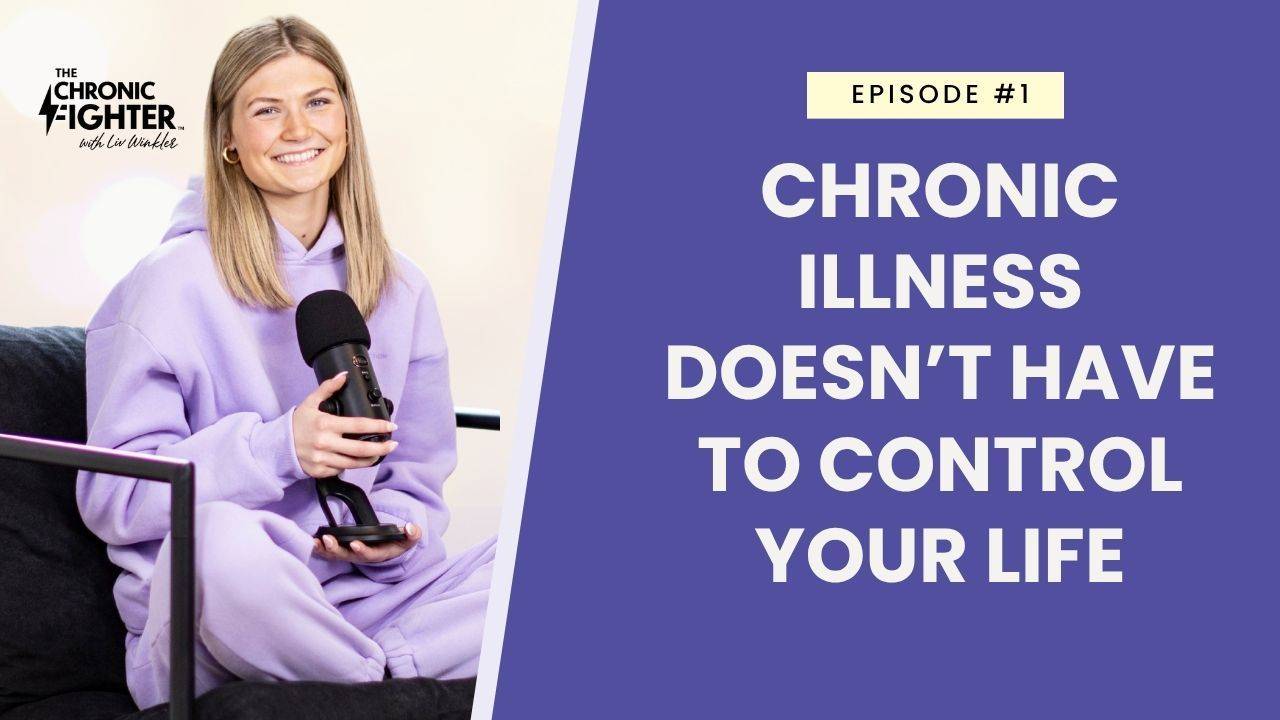
If this article encourages you, consider subscribing to The Chronic Fighter Podcast for practical strategies, expert conversations, and honest discussions about building a fulfilling life alongside chronic illness, not after it.
Feel Free to Reach Out
Questions about the membership, the podcast, collaborations, or something else?
We would love to hear from you.
Use the form below and we’ll get back to you as soon as we can.
We hate SPAM. We will never sell your information, for any reason.